欢迎访问无锡巴伐塔纳工业设备有限公司
语言选择:  ∷
∷ 
∷ ∷ 
Ricardo, an environmental, energy and engineering consultancy, has been appointed to conduct a green shipping corridor feasibility study between Panama and Algeciras (Spain) to decarbonise maritime trade and modernise global connectivity.
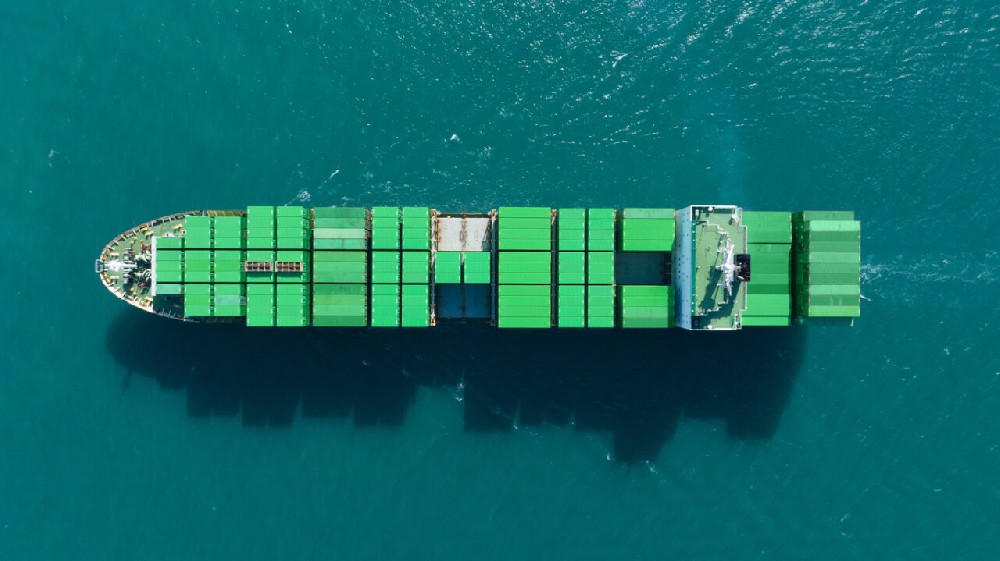
Funded by European Union (EU) delegations in Panama and Costa Rica, the study will deliver an understanding of the technical, financial and policy conditions required to make the Panama–Algeciras corridor a practical green shipping route.
Ricardo will lead the study, in collaboration with the Algeciras Bay Port Authority, the Panama Canal Authority, the Panama Maritime Authority, and subcontractor Maritime & Logistics Consulting Group, S.A.
As part of the study, Ricardo will:
Confirm feasible fuel options and operational implications to define realistic pathways for transitioning trans-oceanic container shipping to zero- or near-zero-emission energy sources.
Evaluate the business case for the corridor. This will consider capital costs of alternative-fuel vessels compared to conventional ships, the fuel price differential between zero/near-zero and fossil fuels, and operating costs linked to compliance with regulatory schemes such as the IMO Net-Zero Framework, FuelEU Maritime, and the EU ETS.
Identify enabling policy and financial interventions and initiatives that could help bridge cost gaps and accelerate deployment, and measures to strengthen the emerging zero-emission fuel supply chain.
Ricardo’s Associate Director for Transport Policy, Alexi Pons, said: “The Panama–Algeciras green shipping corridor is not only significant because of its trans-oceanic distance, but also because it connects two major global bunker hubs with strong potential to become green hubs.
“Developing green shipping infrastructure along this route could deliver transformative benefits for both regions. We’re very excited to be working with the Algeciras Bay Port Authority, the Panama Canal Authority, the Panama Maritime Authority and the EU on this project.”
The results of the study are expected to be delivered by April 2026.
Moreover, a recent report from Ricardo claimed that adopting methanol as the primary fuel on the Port of Tyne–Port of IJmuiden route could avoid up to £420 million ($559 million) in future regulatory costs and cut GHG emissions by 80 per cent.
Copyright © 2025 All Rights Reserved. 地址:No. 8-1, Xigan Road, Xinwu District, Wuxi City 苏ICP备2025225786号 XML地图
 苏公网安备32021402004424号